
A Valentine’s Day Dinner that Left a Bad Taste in Our Mouths

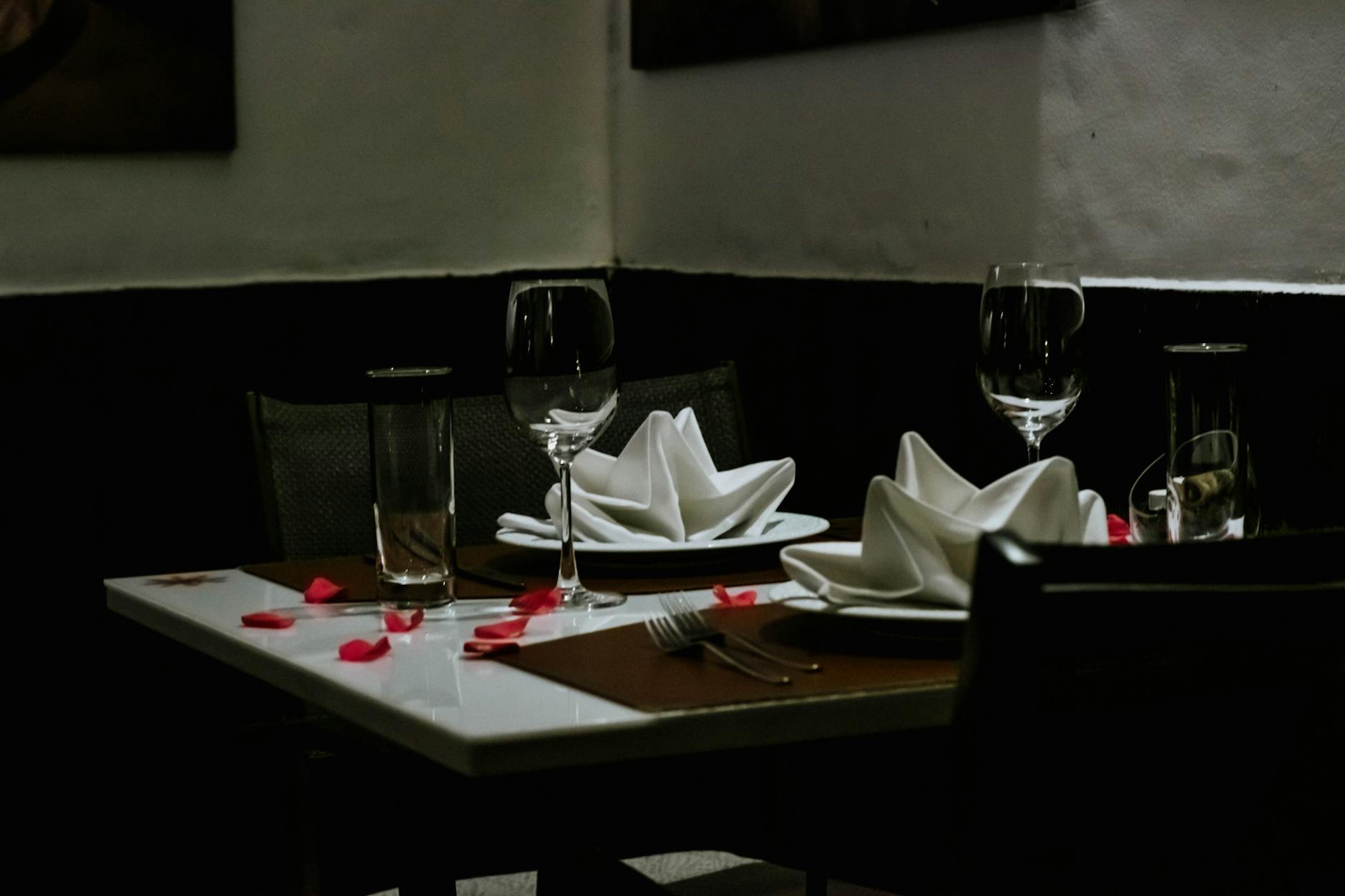
This year, I booked dinner at a restaurant near our house for Valentine’s Day. The Google reviews were glowing: five stars. I expected an affordable, low-key meal followed by an early night. Instead, the night unfolded into an unexpectedly awkward experience.
From the moment we sat down, something felt off. The owner personally approached each table, including ours, and presented a “set menu” – for $150 we pick two entrees and two mains. Oddly, he showed us the regular menu to pick these items from, where prices averaged $20-$30 per dish. Even if we ordered the most expensive items, the bill wouldn’t reach $150. The confusion deepened when he mentioned that opting for seafood would increase the total to $170.
We whispered, trying to make sense of it. Avoiding seafood, we unknowingly ordered a duck dish, later discovering it was part of the more expensive option. A detail he conveniently shared with another table but not ours. As we debated whether we’d be charged $150 or $170, I started to become aware of the other diners, confirming we weren’t the only ones confused.
Not only were we feeling like we were getting ripped off, the food also took forever to come out as well. On reflection, I realised we weren’t just passive diners – we were part of a shared audience. As Turnbull, Cunningham and Turner (2010, p. 73) state “the audience is usually imaged as passive” but I didn’t feel passive at all. I was hyper-aware, exchanging glances with other diners and whispering to my partner about the odd vibe in the place. We weren’t just witnessing the experience; we were reacting to it in real time.
A couple behind us waited 45 minutes just to place their order. Frustrated, they confronted the owner and left without eating. Their departure created a ripple effect. It was then I realised we didn’t have to sit there and endure this either – audiences have become active participants who engage with and influence the content they consume (Jenkins 2006). My partner confronted the owner, pointing out that the “math wasn’t mathing”. We ended up paying $87.00 (the prices of the items from the original menu) and left before even getting the duck!
Reflecting on the night, I saw how audiences don’t just observe – they respond, influence and even shape the experience itself. Whether in a theatre, a concert or a tiny restaurant on Valentine’s day, we engage with that unfolds before us.
I considered leaving a review but I didn’t. I felt like leaving a bad review would have made me look like a deer in headlights. Despite the chaos, I couldn’t bring myself to break the illusion of the restaurants five-star reputation. I felt sorry for the owner – what went so wrong?
Ultimately, this experience reinforced that audiences are never truly passive. We observe, react and at times, choose silence over confrontation. That night challenged my assumptions. Not just about the restaurant but about how audiences interact with and shape the experiences they are part of.
REFERENCE:
 Mikaela's San Giorgio - Digital Portfolio
Leave a comment